Apr 27, 2026
Building the pipeline
New Public Health Summer Program introduces students to hidden careers
Behind every disease outbreak investigation, every newborn screening and every environmental safety test, there’s a laboratory – and a workforce many people never see.
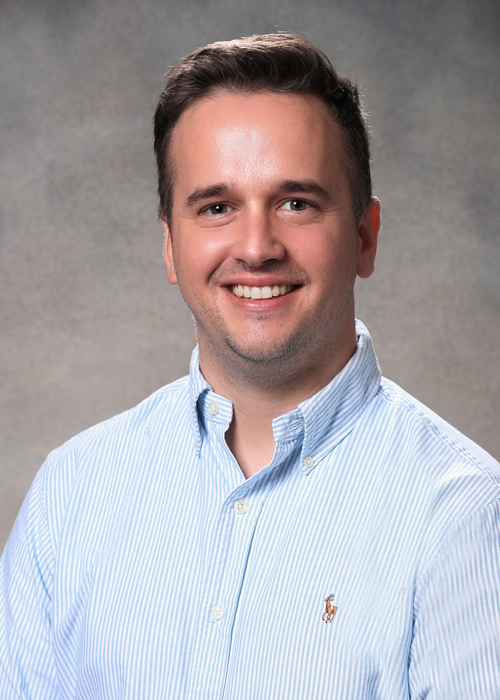
That’s exactly what Michael Lacy, Ph.D., wants to change.
This summer, Lacy and colleagues at Virginia Commonwealth University are launching the Applied Public Health Laboratories Summer Program, a hands-on, immersive experience designed to introduce students to careers in public health laboratories.
“Most students have heard of public health, maybe epidemiology,” said Lacy, an assistant professor in the Department of Medical Laboratory Sciences who specializes in immunology. “But they don’t realize there’s a whole laboratory side to it.”
And those public health laboratories play a critical role in safeguarding communities.
In Virginia, the Division of Consolidated Laboratory Services (DCLS), located just blocks from VCU’s medical campus, leads that work. It investigates foodborne illness outbreaks, conducts environmental testing (including water quality in the James River) and even verifies gasoline purity at pumps across the state. During the COVID-19 pandemic, DCLS labs also played a central role in the state’s response, performing early testing and analysis when few other options existed.
“It’s incredibly important work,” Lacy said. “But it’s also largely invisible.”
Turning awareness into opportunity
Like much of the laboratory field, public health labs face a shortage of trained professionals. Lacy believes one of the biggest reasons is simple: Students don’t know these careers exist.
The new summer program aims to change that.
Running June 29-July 3, the experience will bring together about 12 students – from recent high school graduates to early college students – for a deep dive into public health lab science. At the heart of the program is a case-based learning model.
Based at the College of Health Professions, program participants will work through a simulated foodborne illness outbreak – tracing contamination, identifying pathogens and applying both microbiological and molecular techniques to solve the case. They’ll culture samples, analyze bacterial growth, extract DNA and use tools like PCR to confirm findings.
“It’s designed to mirror what would actually happen in the state,” Lacy said. “They’re not just learning concepts – they’re doing the work.”
Participants will also tour DCLS, meet professionals across the field and explore the range of roles available – from laboratory scientists to epidemiologists. The program is funded by the Association of Public Health Laboratories and includes housing, meals and a stipend.
Early interest, long-term impact
Interest in the program is already strong, with applicants coming from across the region, including North Carolina. The initiative builds on the success of last year’s inaugural Transfusion Services Summer Scholars program, which drew more than 80 applicants for just 12 spots.
For Lacy, the goal is not just a successful week, but a stronger workforce pipeline.
“If we can introduce students to these careers early – before they’ve decided their path – we can help fill critical gaps in the field,” he said.
As a pilot program, this summer’s session marks the beginning of what Lacy hopes will become a sustained effort to connect students with meaningful, high-impact careers.
“These are jobs that protect public health every day,” he said. “We just need more people to see that – and see themselves in it.”