May 7, 2026
Chris Reading ‘85 pushes for physical therapy’s place in the healthcare system
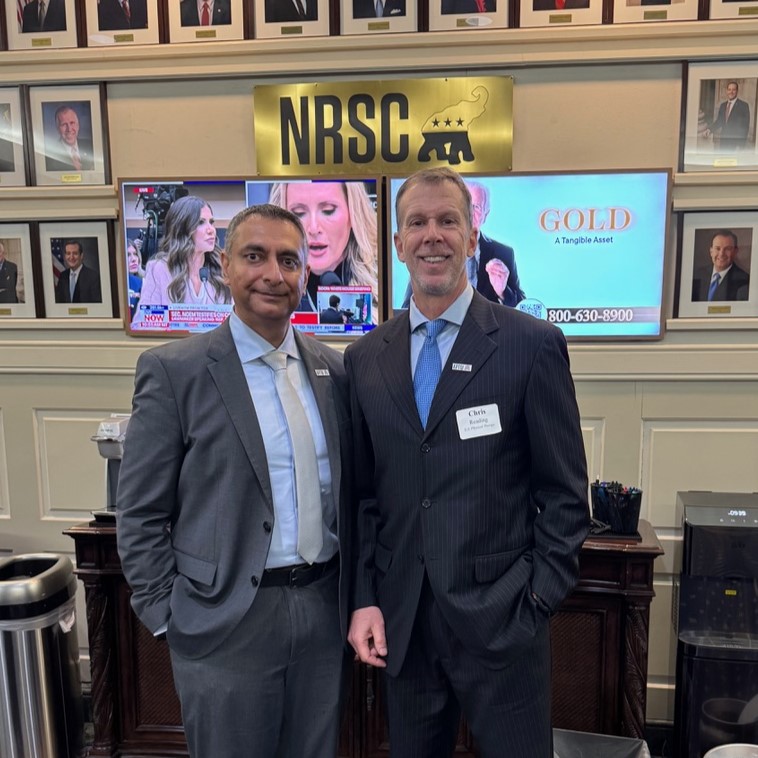
Forty years into a career that began in the clinic, Chris Reading is helping shape the future of physical therapy at the national level.
A 1985 graduate of VCU’s physical therapy program, Reading spent nearly two decades in clinical practice in the Richmond region before moving into executive leadership. Today, as chairman and CEO U.S. Physical Therapy, he leads a national network operating nearly 800 clinics across more than 40 states. But his perspective remains rooted in patient care.
“To successfully lead in healthcare, you have to understand what it’s like to stand in the patient’s shoes,” said Reading, now based in Houston. He has served as U.S. Physical Therapy’s top executive since 2004 and was appointed chair of its board in 2024.
After graduating magna cum laude from the Medical College of Virginia in 1985, Reading spent 18 years treating patients while also taking on operational responsibilities at his employer. He recalls having to teach himself how to build a budget in 1990 with no computer or prior experience.
“You learn by doing,” he said. “You make mistakes. You figure out what works and what doesn’t. And you surround yourself with smart people.”
Advocacy and the fight over reimbursement
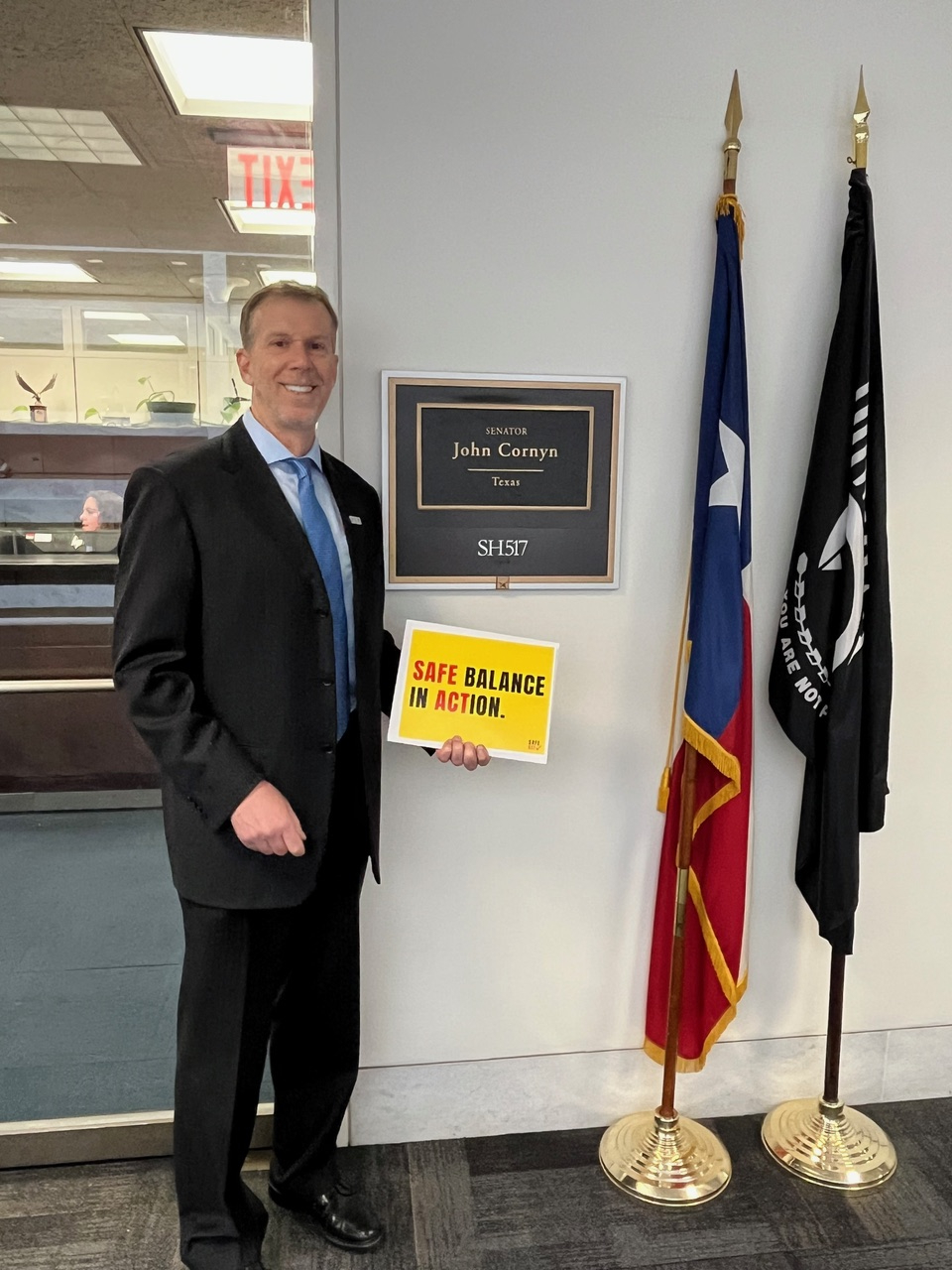
Learning and pushing continue to shape both his leadership and, in more recent years, his advocacy.
“Over the last decade, we’ve seen significant reimbursement cuts from Medicare,” Reading said, pointing to policy decisions influenced by federal advisory recommendations that many in the profession believe underestimate the value and cost of therapy services.
Seeing a need for large outpatient providers to have a stronger voice in federal policy discussions — particularly around reimbursement and access — the Alliance for Physical Therapy Quality and Innovation was established in 2014 by a coalition of large outpatient therapy providers, including U.S. Physical Therapy, to advocate for the profession at the federal level. Reading serves as APTQI’s president and is one of its visible leaders.
“Chris’ career path is amazing and is a testament to what is possible through the field of physical therapy, and he serves as a model for our students and graduates as they consider where their degree can take them,” said Benjamin J. Darter, PT, Ph.D., chair and program director of VCU’s Department of Physical Therapy. “And his work as an advocate for the profession is critical. I hope his words resonate with others as a call to action: We face significant challenges with our scope of practice and reimbursement. Having access to his perspective is really valuable as we prepare students for the realities of practice.”
Expanding the role of physical therapy
Beyond payment, Reading sees a broader opportunity for physical therapists to play a more central role in health care delivery, particularly in musculoskeletal care.
“Physical therapy should be the primary entry point for musculoskeletal conditions,” he said. “We can do a better job for patients and for the system if we’re positioned that way.”
Those pressures are also being felt by the next generation of physical therapists, including VCU graduates entering the field. The profession has shifted in recent decades to require a Doctor of Physical Therapy as the standard entry-level degree at accredited institutions — a move that expanded clinical training but also increased the cost of education.
“But reimbursement hasn’t kept pace — in fact, it’s gone down,” Reading said. “Students are coming out looking at their debt load and asking, ‘How do I make this work?’”
Technology, AI and the future of care
Part of that future, Reading said, involves embracing change in both treatment and technology.
Technology and artificial intelligence are reshaping aspects of physical therapy and the broader health care system, particularly in areas such as documentation, data tracking and workflow efficiency. While tools like remote monitoring and digital exercise platforms can support patients between visits, Reading said they are meant to complement — not replace — in-person care.
He noted that physical therapy remains a hands-on discipline, where clinical judgment, manual techniques and patient interaction are central to outcomes.
Instead, he sees technology as a way to reduce administrative burden and improve consistency, allowing therapists to spend more time focused on direct patient care.
For Reading, the path forward for physical therapists depends not only on policy change but continued collaboration across the field.
“It’s payment, it’s policy, it’s regulatory burden — but it’s also about moving the field forward,” he said. “We have to continue to push for where we belong in the system.”