Feb 17, 2026
Mighty Pen Project: Writing, healing and the science of scale to help veterans process experiences
Gene H. Pearson spent decades carrying what he calls the depression, anxiety and fear that followed his U.S. Army service from 1969-71. Those feelings, he said, pushed him into silence and isolation. He wanted to explain what was happening inside him, but talking felt impossible, so counseling didn’t help much.
What did help — at least a little — were quieter acts such as reading, writing and staying focused on the page.
Today, Pearson is part of the Mighty Pen Project, a writing program for veterans at the Virginia War Memorial. Participants are careful to name what the program is not: “We veterans know that the MPP is not therapy,” Pearson said. “But it is wonderfully and kindly therapeutic.”
That paradox – healing that happens without being labeled as treatment – is exactly what has drawn the Virginia Commonwealth University Department of Rehabilitation Counseling into a new partnership to understand why the program works and how it might be responsibly expanded. The project, “Life Between the Lines: A Writing Workshop for the Family Members of Veterans and Active Military Personnel,” is funded by a state grant.
A writing class born from resistance
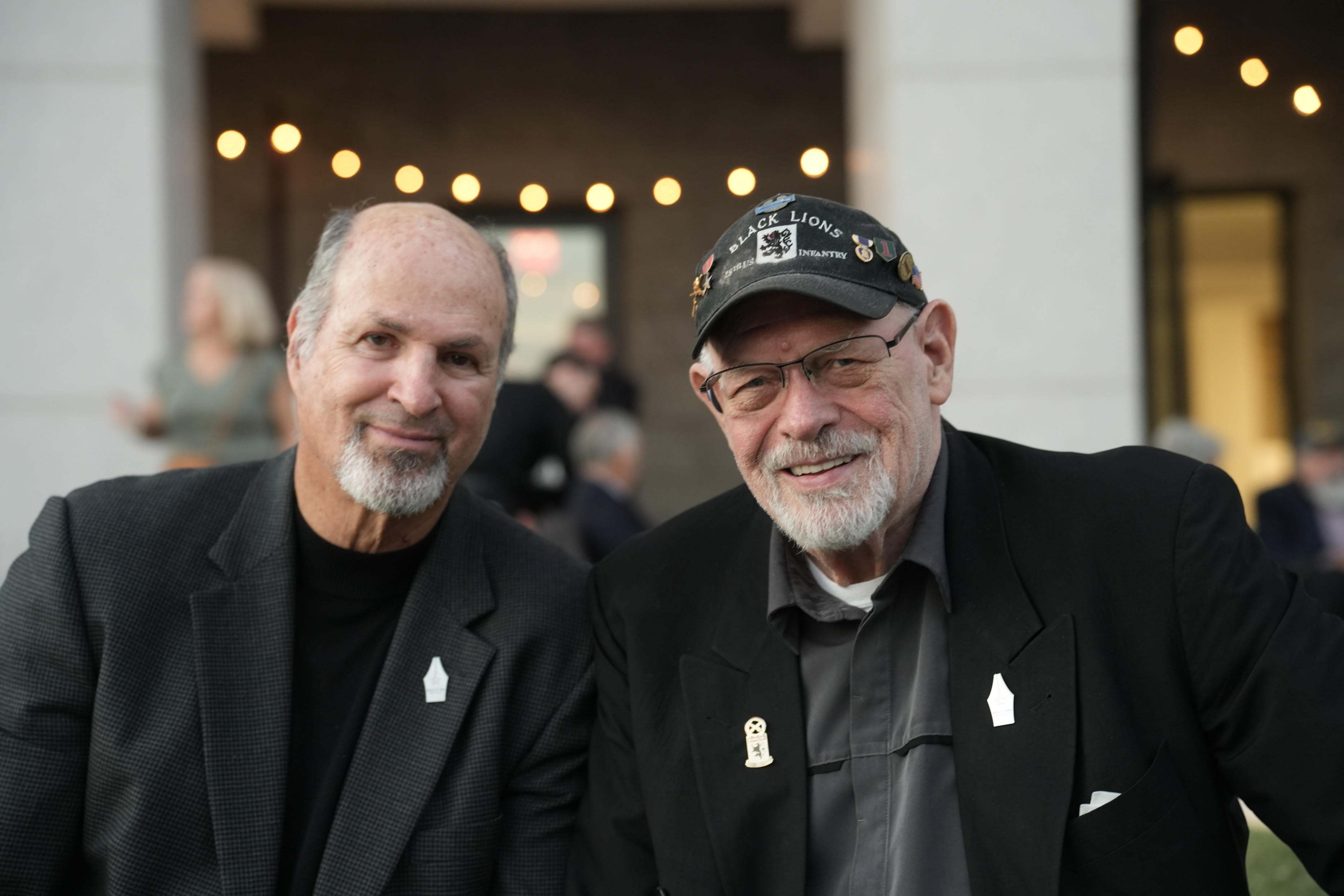
The Mighty Pen Project began in 2014 with a moment of frustration. David L. Robbins, a New York Times best-selling author who has taught at VCU and The College of William & Mary, read about a weekend writing workshop for veterans and bristled at the idea. To him, compressing both veterans’ experiences and the craft of writing into a single weekend shortchanged both.
So Robbins walked to the Virginia War Memorial near his home and suggested something different: a semester-long writing class taught with the same rigor he brought to his university classrooms. The organization agreed, offering its boardroom as a meeting space. Robbins launched the Mighty Pen as a nonprofit, ran it for three years, and eventually folded it into the War Memorial, where it became an official program.
At the outset, Robbins insists, his intentions were modest: He wanted to teach writing. Veterans, he knew, had stories, but the class was never designed to extract trauma. “It was just writing,” he said. “That’s all I’m qualified to do.”
What surprised him was what began to surface over time. Veterans and their spouses shared stories of sleeping better, of nightmares easing, of feeling lighter. Two Veterans Administration psychiatrists sat in on early sessions. One of them, Robbins recalled, observed that the progress he was seeing in 12 weeks was comparable to what he might expect from more than a decade of traditional therapy.
“I didn’t realize I was doing therapeutic work,” Robbins said, “until the veterans began telling me what they were putting down.”
Why it works by not being therapy
Like the veterans he teaches, Robbins firmly states that the Mighty Pen is not therapy – and it can’t function if it’s treated that way. Instructors never ask veterans how they feel. They never assign them to write about traumatic events. Stories about combat, gardening, childhood memories or family arguments are treated exactly the same.
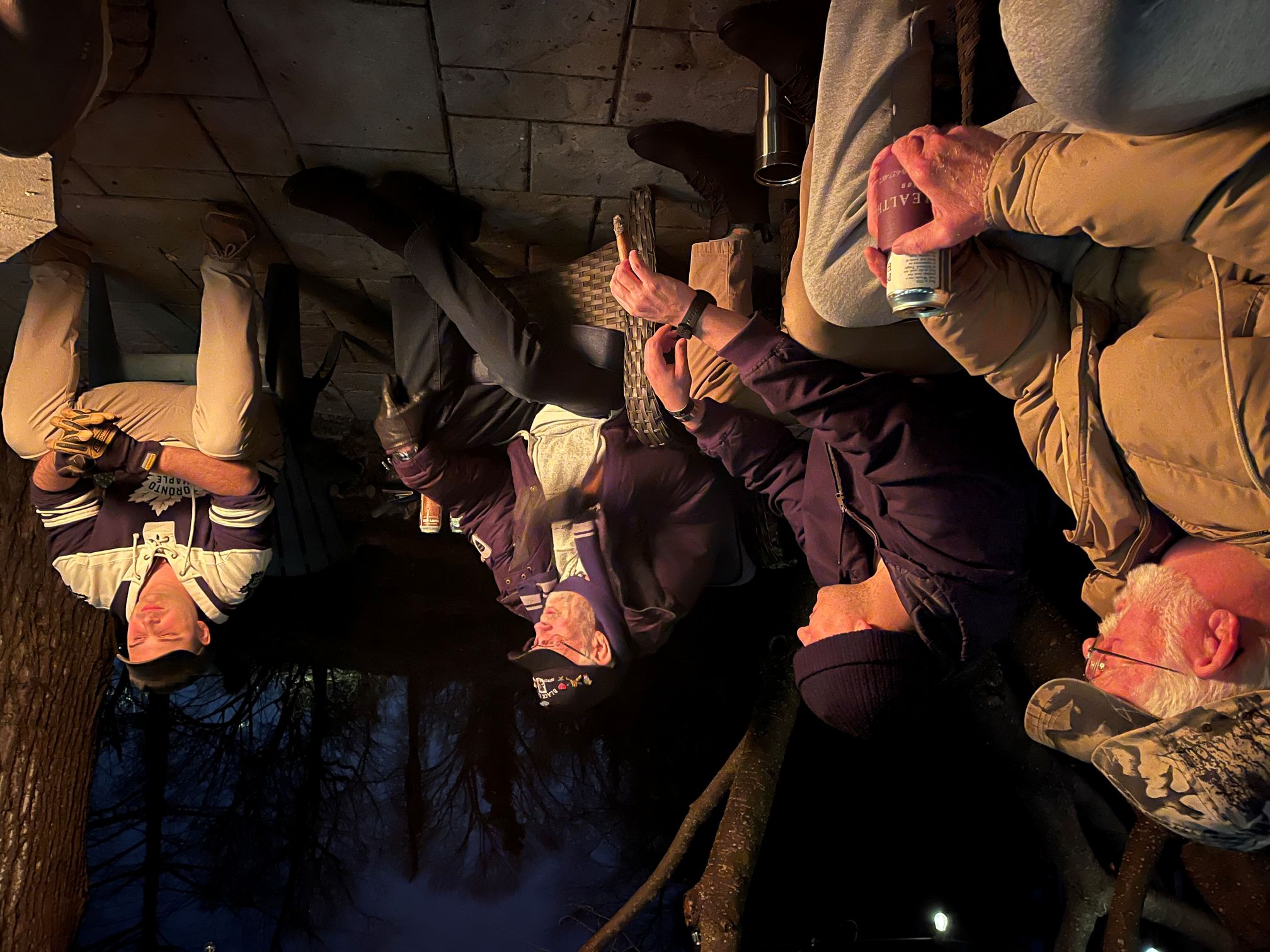
That consistency is deliberate. Robbins believes that labeling the program as therapy – or privileging certain kinds of suffering – would fracture the trust in the room. “Everyone who sits at that table is equal,” he said. “There’s no ranking by trauma, rank or resume. Everyone brings a story, and everyone is held to the same standard as a writer.”
Sometimes the hardest experiences arrive sideways. One veteran wrote for years about fishing before later realizing that the stories mirrored his time as a point man in Vietnam, where he was constantly watching, listening and moving carefully. Another, a combat medic, began by writing about setting off a childhood firecracker. “That was the biggest explosion he could write about at the time,” Robbins said. “He was finding a way in without going straight at it.”
VCU’s Jared Schultz, Ph.D., chair of the Department of Rehabilitation Counseling, describes this as a paradoxical approach. Addressing trauma indirectly, he said, allows veterans to engage with experiences at a level they can tolerate. Rather than forcing disclosure, the writing lets participants decide when and how to approach difficult material.
Rigor plays a crucial role. Mighty Pen is not framed as a therapeutic safe space. It is a classroom. Drafts are critiqued. Feedback can be blunt. Passive voice is called out. Structure is dismantled and rebuilt.
According to Schultz, that technical focus creates emotional distance. Veterans are revisiting experiences, but through the craft of writing – offering a point of view, pacing the story, revising the copy – rather than raw feeling.
“The story becomes something they can work on,” he said. “Not something they have to relive all at once.”
Over time, that process can transform memory into narrative. Robbins often tells participants when a piece is working – not because of what happened, but because of how it has been shaped. Calling a story “beautiful,” he said, can be the first time veterans hear that word applied to something rooted in pain. What happened to them was not beautiful. The story, crafted with care, can be.
Bringing science to intuition
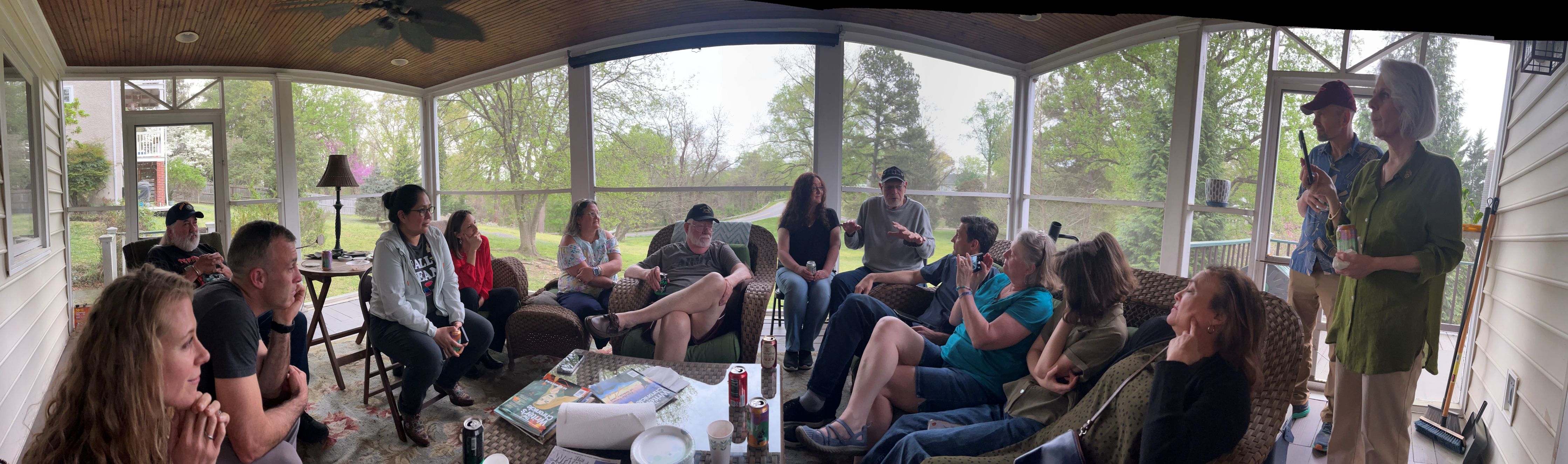
Robbins readily admits he cannot fully explain why the Mighty Pen works as well as it does. He knows how to run the room, when to push and when to stay silent, but much of that knowledge is instinctive. “I’m busy doing it,” he said. “I can’t always tell you why it works.”
That is where VCU comes in. Through a $100,000 grant from the Virginia Department of Veterans Services, Schultz, his colleagues and graduate students are studying the Mighty Pen model to identify its essential elements. The project will support multiple writing groups, train graduate students and develop a manual to guide future instructors.
The goal is not to turn Mighty Pen into therapy, Schultz emphasized, but to understand the mechanisms well enough to protect them. Without that clarity, he said, it would be easy for others to imitate the surface of the program while losing the discipline and balance that make it effective.
Robbins concurs, as he views the partnership as an opportunity to widen the circle. He serves a small fraction of the veterans who could benefit from this kind of work. With VCU’s help, he hopes the program can be replicated thoughtfully in other communities and even other countries without stripping away what makes it powerful.
For Pearson, the impact is already tangible. Writing has become a way to speak when speech fails, to connect with others who understand without comparison or judgment. “I am learning to not just tell a story, but how to write it,” he said. “I am learning that I can share my struggle with others – and that many of them care.”