Jun 17, 2026
Several CHP staff members received a grant for addressing food waste
Two faculty members at the Virginia Commonwealth University College of Health Professions have received grant funding to help address food waste.
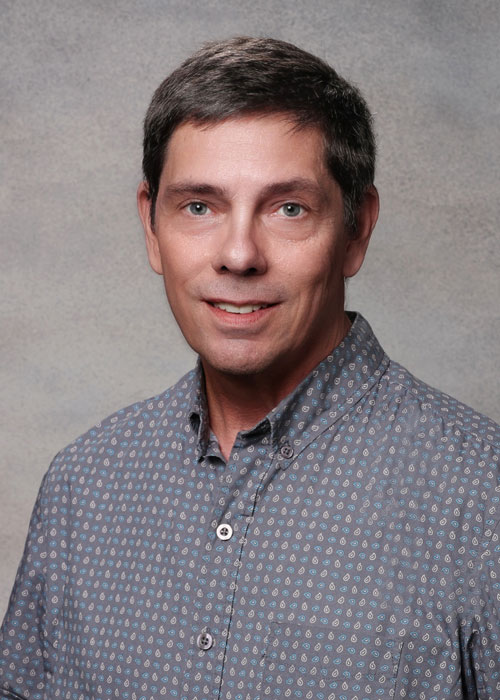
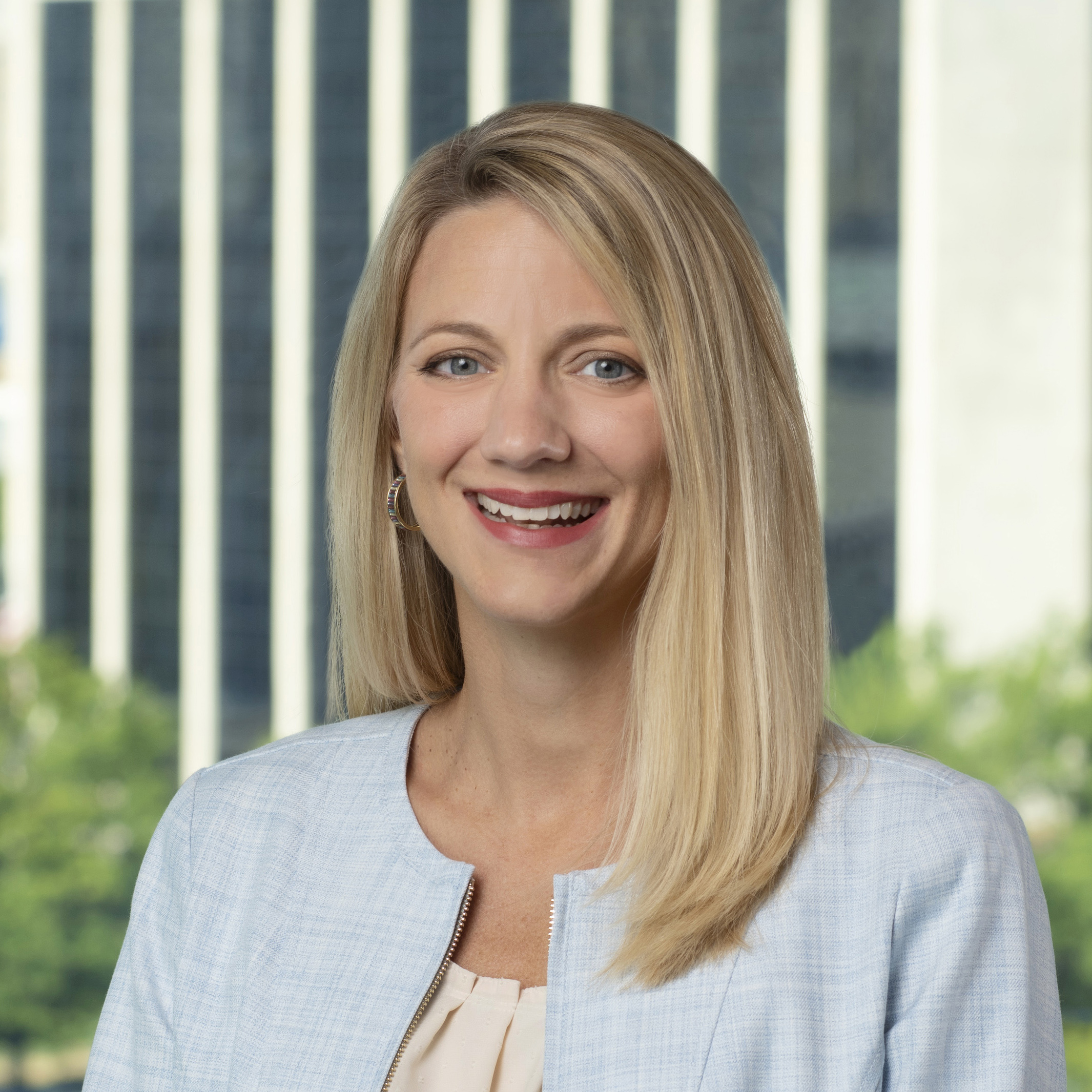
Leland (Bert) Waters, Ph.D., associate director of the Virginia Center on Aging, and Kristin M. MacDonald, Ph.D., MS, RD, assistant professor in the Department of Health Administration, have received federal funding awards from the Environmental Protection Agency (EPA) and the Virginia Department of Environmental Quality (DEQ) to focus on food waste.
While multiple VCU professors and staff are part of the three-year grant, Waters and MacDonald, along with Anna Malone, the zero-waste program manager in Facilities Management, will develop a composting program to help reduce food waste across the VCU hospital system. According to the grant document, Waters, MacDonald and Malone will first evaluate the costs of composting within the hospital. MacDonald and Waters are receiving around a quarter of the $1.045 million in total funding.
According to the DEQ, the funding will go towards a scholarship for health administration graduate students, with preference given to those in the Sustainability, Health and Health Care certificate program. In the first year, the team will oversee the students' independent research, while during the second and third years, scholarship recipients will guide the implementation of composting and food waste management efforts at the main hospital. Waters will lead the evaluation and help develop the Sustainability Convergence Lab, and MacDonald will supervise the student and conduct the return-on-investment analysis.
Waters says he has previously worked with the principal investigator on the grant, John Jones, an assistant professor in the School of Life Sciences and Sustainability, on different projects such as the Little Ram Pantry.
“We are focused on food waste in the hospital system, and the reason bringing in health administration was important is because … there are (no major efforts) to manage food waste in the hospital,” MacDonald said. “We see an opportunity to do some composting, potentially to work with Morrison (Healthcare, VCU’s food service provider) to have maybe even a full-time equivalent employee or portion of a full-time equivalent employee dedicated to managing this problem.”
MacDonald also said that both she and Waters want to explore options to improve food waste management in the health system over the next few years. She notes that the first steps will include getting the student onto the project, working with them so they eventually lead the project, while simultaneously developing their management skills.
“It's really important that the student gets the information from their team about where the food waste is and isn't,” Waters said. He also mentioned that representatives from Morrison and VCU’s Sustainability office are open to the project.
“(We’ve) only had a couple of visits within the internal workings of the hospital system, and it's like a big belly, if you can imagine it,” Waters said.
Other recipients of the grant include:
- Smith’s team will generate a map documenting waste sources across the food service outlets on the Monroe Park campus.
- Dr. Tamer Nadeem, Ph.D., professor in the Department of Computer Science, who will implement privacy-preserving forecasting systems for the Shafer Dining Hall, using entrance counts, load-cell data and contextual signals to recommend batch sizes and reduce overproduction.
- Dr. Maxwell Holle, Ph.D, teaching assistant professor in the Department of Chemistry, who, along with support from the Student Government Association (SGA), will advise a new student food-rescue club.
- Jones and Hollem, who will deploy a mobile platform to alert community members when surplus catered food is available after events.
A personal effort
The drive to address food waste and insecurity is not only an important effort, but a personal one for Waters. He attended VCU as an economics major in the 1980s, but had to work his way through school and struggled with basic needs. He particularly remembers a time when, serving as an assistant registrar for the city of Richmond, he had to work an election the day of one of his microeconomic course’s four major tests.
“I made more than a month's worth of savings in one day on election day, and I needed that (job to) have that money to pay rent, and so I didn't take the test,” recalled Waters. “He had four tests, I got three A's and an F, and he gave me a C for the semester, and because of that experience and other experiences I had working full time or a patchwork of part-time jobs, making enough money to get through school when we did the food insecurity and college students, that just really rang a bell.”
He said that Jones’ focus on food insecurity among students was one he could get involved in.