May 22, 2026
Symposium reimagines how to bring research into communities
Program explores collaboration in aiding underserved groups
When researchers gather for a conference, the format is often familiar: presentations, brief Q&As and hurried conversations over coffee. But at Virginia Commonwealth University, Waganesh “Waggy” Zeleke is intentionally disrupting that model.
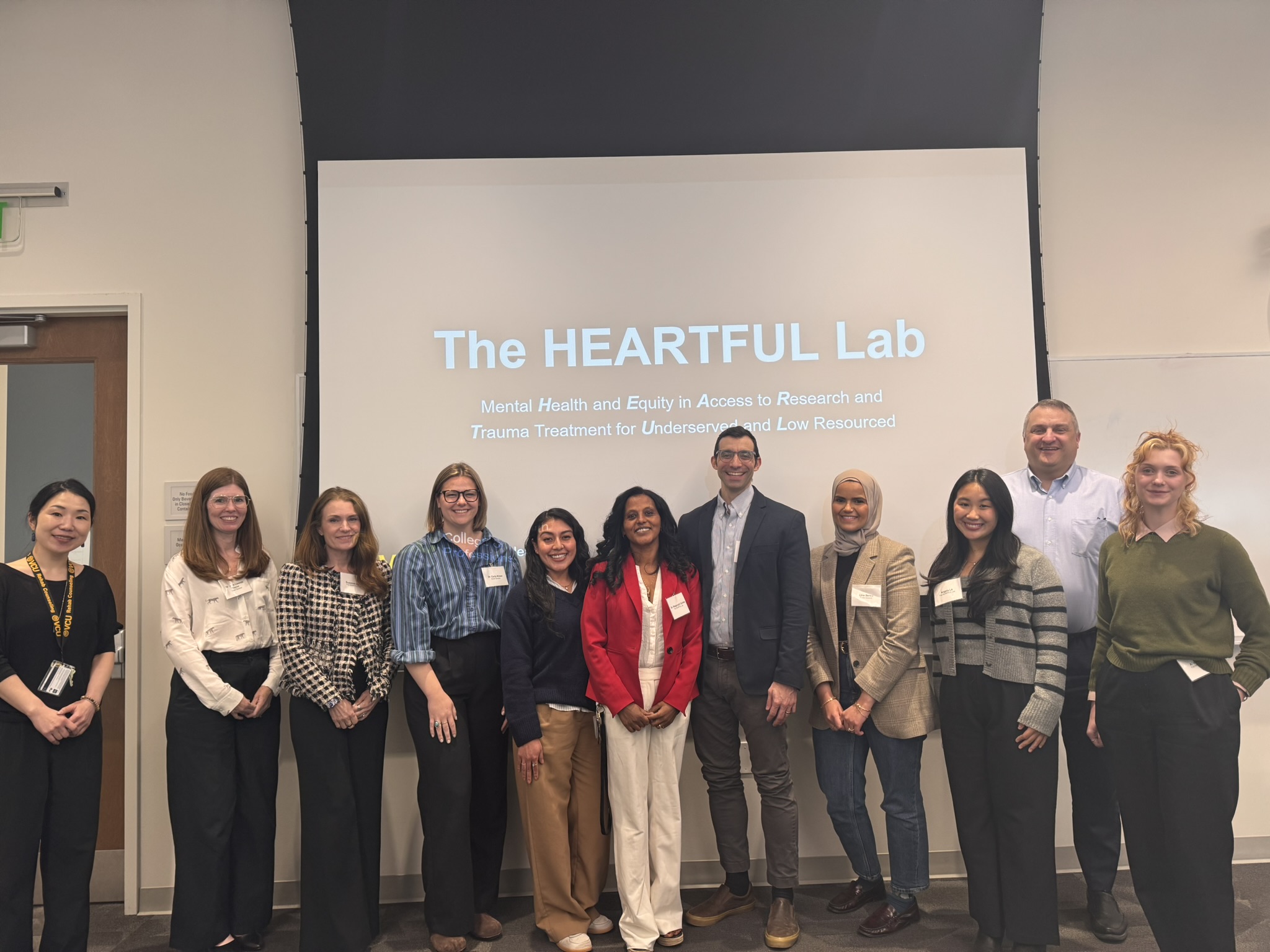
Through a national research symposium on “Trauma, Mental Health and Neurodivergence with Immigrant and Refugee Communities,” Zeleke is creating an interdisciplinary, collaborative space that is rethinking how research is conducted – and reported – with underserved communities. The program was hosted this spring by her HEARTFUL (Mental Health and Equity in Access to Research and Trauma Treatment for Underserved and Low Resourced) Lab.
“Traditional research methods are not always a good fit,” said Zeleke, associate professor of rehabilitation counseling. “When you work with immigrant and refugee communities, trust becomes a bigger issue. It’s not just what you know. It’s how you do it.”
The symposium brought together researchers from across the United States working at the intersection of mental health, trauma, autism, and neurodivergence, many of whom rarely find peers in their own institutions. In an emerging model known as Community-Based Action Research (CBAR), academicians embed themselves with community partners to get truer knowledge of problems, leading to solutions that aren’t just needed but adopted.
More simply, in CBAR, the researcher shifts participants from subjects to collaborators. That’s why building trust upfront is critical. “We need to work with communities,” Zeleke said, “not for them.”
Space for collaboration
Because so much of this work occurs within disciplinary silos, participants embraced the opportunity to interact with peers who might be studying similar versions of their work. Sharing that information is critical for shaping best practices.
“The intersections that we’re working at tend to be very niche,” said Lina Y. Demis,
MPH, MPhil, at Columbia University. “It’s hard to find people doing this work in one place, so being able to come together and learn from each other – the human side of research – is incredibly valuable.”
Besides presenting recent research on topics from understanding the needs of immigrants in New Jersey to fostering resilience for refugee youths and families, participants gathered over lunch to discuss how to reimagine their work and community engagement. For many, the gathering provided a needed counterbalance to a challenging moment in the field.
“We’re in a time of crisis in the political sphere, especially around immigration and misinformation,” said Marisol Marroquín, Ph.D., assistant professor of social work at Rutgers University. “It can feel isolating to do this work. Being here reminds you that we’re not alone and that we can make an impact together.”
Alongside public presentations, the symposium carved out time for smaller, in-depth conversations, where researchers could explore processes. “We wanted to ask: What does it actually take to build partnerships with communities?” Zeleke said. “What makes this work succeed?”
From research on communities to research with them
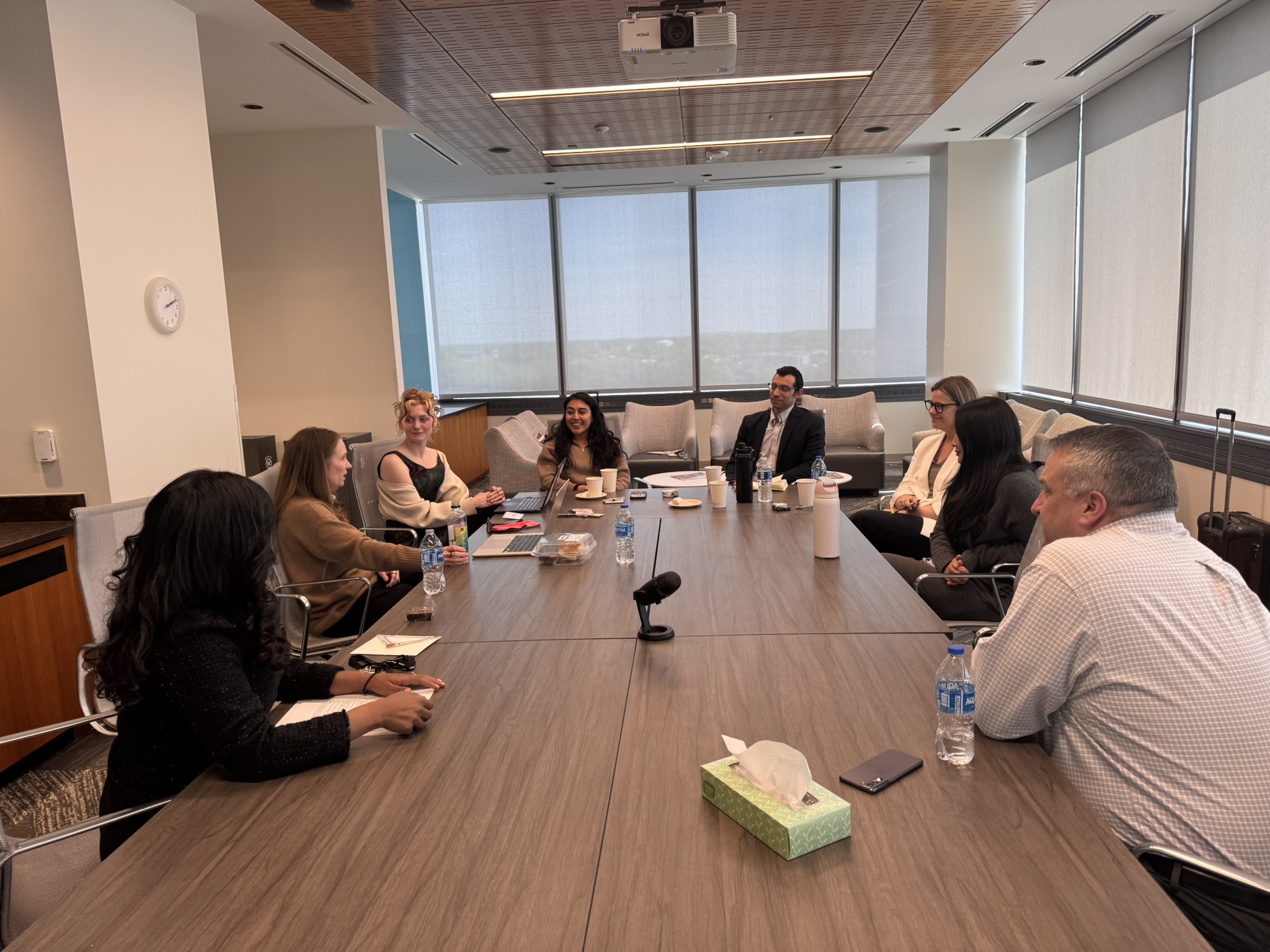
Much of the conversation also centered on the real-world challenges of this work – from recruitment barriers to the broader social climate affecting immigrant communities.
Even among U.S. citizens from immigrant families, cultural and systemic gaps can limit access to care. “Families may not know how to navigate health care or education systems,” Zeleke said. “And those systems are not always designed to be culturally responsive.”
The CBAR philosophy resonated strongly with attendees, who included Zeleke’s own graduate students. In many cases, this research taps into issues that are often overlooked due to everything from language barriers to access. That means these individuals and their needs aren’t likely to be represented, for example, through conventional research where data might be collected by surveys.
“It wouldn’t be ethical to do this work without community participation,” Dimas said. “People aren’t subjects. They’re partners. The questions we ask have to reflect their needs, not just our assumptions.”
In addition to improving relationships with groups that need support, this approach improves the underlying science.
“It enriches the data,” said Marroquín, who looks at how intersectional identities impact individual health. “You get perspectives you wouldn’t see otherwise, and you can build systems of care around the research: before, during and after participation.”
The power of interdisciplinary thinking
A defining feature of the symposium was its interdisciplinary nature, bringing together voices from psychiatry, psychology, social work, communication and beyond.
“I think the most complex issues are solved through interdisciplinary work,” said Carly Moser, Ph.D., a research fellow at Vanderbilt University Medical Center’s Transitions Lab, which supports adults with intellectual and developmental disabilities. “And here, you really see that – people approaching the same problem from different angles.”
For trainees and early-career researchers, that exposure was especially impactful.
“You realize there’s overlap you might not see on the surface,” said Julie Lounds Taylor, Ph.D., co-director of Vanderbilt’s Kennedy Center for Excellence in Developmental Disabilities. “There are things you can take from every talk and apply to your own work.”
CBAR requires scientists to rethink not only how they engage with participants, but also how they engage with each other.
“Human beings do well through relationships, collaboration and mentorship,” said Jeffrey Phillip Winer, Ph.D., noting that the same principles many mental health studies emphasize for families and communities also apply to researchers themselves.
That relationship-centered approach becomes especially important when working with populations that may have experienced systemic inequities or mistrust in health care and research settings. Building meaningful partnerships takes time, openness and a willingness to create space for difficult conversations.
“Mental health research has failed a lot of people in many ways,” said Winer, assistant professor of psychology at Harvard Medical School. “Part of projects like this is rebuilding trust in academic mental health research.”
Winer emphasized the need to connect scientific rigor with real-world access to care. While major advances have been made in neuroscience and genetics, many families still struggle to access proven mental health interventions already known to be effective.
“How do we keep the rigor of the science while moving it into the neighborhood?” he asked.
For Zeleke, the symposium is just the beginning. Her goal is to build an ongoing network of researchers committed to advancing community-based approaches by blending the energy of emerging scholars with the experience of established leaders.
“We want to expand the culture of doing this kind of research,” she said. “To make it more culturally responsive, more collaborative and more impactful.”
For more information or to engage in CBAR initiatives, contact Zeleke.