Jan 23, 2026
Training the next generation of counselors – and serving Virginia in the process

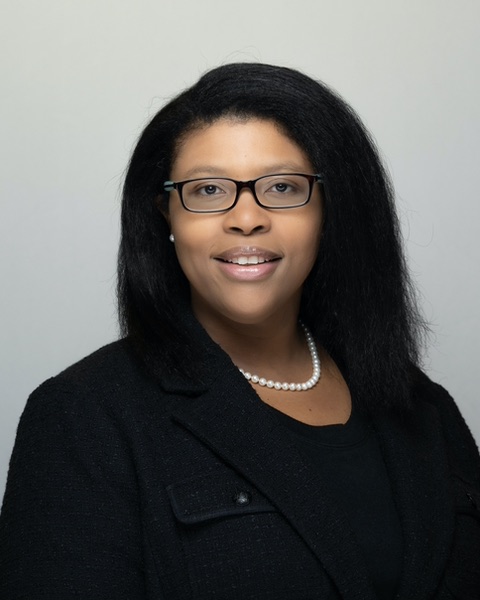
Each year, thousands of Virginians gain access to vital mental-health and rehabilitation services they might not otherwise receive, thanks to VCU’s Department of Rehabilitation Counseling.
Students in the master’s and post-master’s professional counseling certificate programs log tens of thousands of supervised clinical hours in community settings across the state. Those hours represent not only hands-on training for future licensed counselors but also a massive capacity boost for provider organizations.
The department’s M.S. in Rehabilitation and Mental Health Counseling program has grown significantly over the last five years, enrolling roughly 40 new students annually and serving about 120 at any given time. Clinical placements have doubled over the last decade.
Drivers of this growth include the addition of a second concentration – Clinical Mental Health Counseling alongside Clinical Rehabilitation Counseling. The post-master’s certificate is another draw, appealing to existing degree-holders who must complete extra course work to meet Virginia Board of Counseling requirements.
“After adding the second concentration, our exposure and applicant pool really increased,” said clinical coordinator Denise Hall, who earned her master’s here in 1992. “Last year we had 260 applicants for 40 slots.” She adds that the COVID-19 pandemic’s isolating effects further contributed to the application surge.
New faculty have come aboard in recent years to accommodate the department’s growth. These include Jennifer Lawrence, who became the department’s second clinical coordinator in September. “It’s a really pivotal time for the field,” she said. “In the 21st century, the concept of mental health has been communicated in places where otherwise it would not have been accepted. People are a lot more open to entering the field.”
The arts of vetting, matching and network-building
Meeting increased demand requires a steady pipeline of clinical partners. Since taking on her current role in 2015, Hall has transformed how the program identifies, vets and maintains placement sites. “When I came into this position, students were finding their own placements,” she said. “Sometimes the sites would not meet accreditation or supervision standards, so we decided we needed a different approach.”
Today, Hall and Lawrence serve as liaisons between VCU and community agencies, personally cultivating and screening each new partner. In a given year, the department typically identifies a dozen new clinical partners. Alumni referrals are key, so much so that a recent community fair drew 23 agencies – many staffed by former VCU students now supervising interns of their own.
Hall and Lawrence’s vetting process is deliberate and thorough, ensuring new partners are properly licensed and well-regarded. They will even pause partnerships if staffing changes or other potential sources of instability might affect a student’s experience.
Placement itself is a months-long exercise. Students submit résumés and top preferences; the coordinators then confer with sites, arrange interviews and help finalize assignments. These pairings are not just one-time work placements, but they are meant to help students determine the kinds of settings and clients they wish to work with long-term.
“Some of our graduates do their internship hours at the agency where they end up working during their residency,” Lawrence says. “So yes, I would say we’re matchmakers.”
Settings vary among state rehabilitation agencies, hospitals, nonprofit mental-health clinics, addiction treatment centers, residential programs and a growing number of private practices. Recent grants from the U.S. Department of Education are poised to expand opportunities even further, funding traineeships that offset tuition in exchange for post-graduation service in rehabilitation counseling.
“More hands can do more work”
Each student completes 700 supervised hours per year: 100 hours of practicum and 600 internship hours spread over two to three semesters. During practicum, students ease into the profession, shadowing, observing and conducting initial client interactions.
Internships deepen their experience through direct individual and group counseling, case management, assessment, crisis work and meticulous documentation. “If you didn’t document it, it didn’t happen,” Lawrence said.
Faculty supervisors meet weekly with students, and site supervisors complete midterm and final evaluations based on a detailed rubric assessing professionalism, counseling skills and ethical standards. “We ask questions like, Is this person a good fit for the field? Do they have awareness? Are they presenting as warm? Are they reliable?” Hall says. “We hope to see each student’s development plotted over time.”
The cumulative effect of all those hours is tangible. One of the most measurable outcomes is enhanced capacity for clinical partner sites, according to Hall. “They’re able to do more, offer more, because the students are there,” she said.
“More hands can do more work,” Lawrence added. “The more people we have entering our program, the more people are trained to meet the needs of the community – not just while they’re students, but after they’ve graduated.”