Jan 29, 2026
VCU experts warn of rising online and sports gambling risks for today’s youth
What once required a trip to a casino or racetrack now lives on a smartphone – a shift that is reshaping how young people encounter gambling and raising new concerns for educators across Virginia.
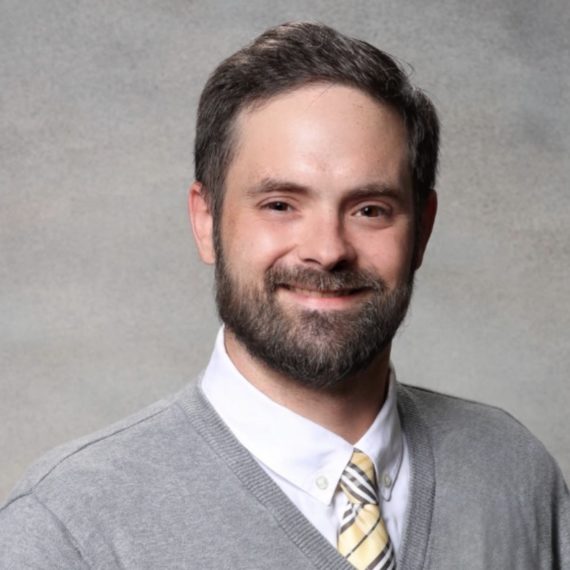
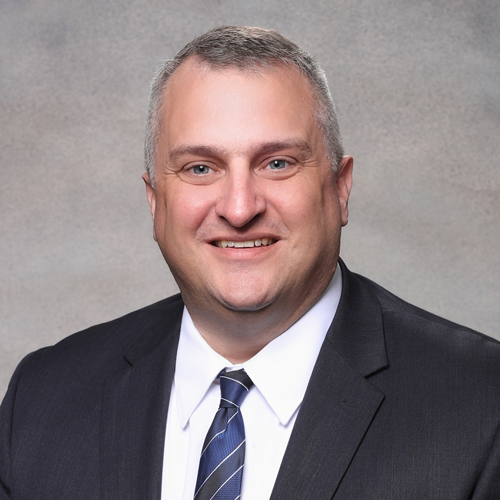
The VCU Virginia Partnership for Gaming and Health (VPGH) presented that changing landscape to health and physical education teachers from across Virginia. The session was led by Matt Britt, a certified peer recovery specialist with the center, and Jared Schultz, Ph.D., chair of VCU’s Department of Rehabilitation Counseling, which houses the VPGH.
Together, they addressed how online betting, sports gambling and gambling-like features embedded in popular games are increasingly affecting middle and high school students – often in ways that are easy to miss.
“Gambling doesn’t look the way it used to,” Britt told the group. “Six or eight years ago, you had to physically go somewhere or know a bookie. Now you have a casino in your pocket.”
A blurred line between gaming and gambling
Britt explained that today’s students might not see themselves as gambling at all. Many encounter risk through mobile apps, video games and online platforms that blur the line between gaming and betting – including features such as loot boxes, in-game purchases and paid chances to unlock rewards.
“Trading something of value for the chance at something else? That’s gambling,” Britt said. “It’s just packaged differently now.”
Britt and Schultz outlined how easily students can access online betting sites or spend money through games without meaningful age verification. Unlike traditional casinos, many digital platforms rely on self-reporting, making them difficult for adults to monitor.
Why educators are on the front line
The presentation emphasized that health and PE teachers, administrators, and school counselors are often among the first adults to notice early warning signs. These can include secrecy around money, changes in behavior, shame or guilt, and preoccupation with betting or gaming outcomes.
Schultz framed gambling education as a natural extension of existing health curricula, during a meeting of the Virginia Association of Health, Physical Education, Recreation and Dance (APHERD).
“We already talk about alcohol, vaping and substance use in age-appropriate ways,” he said. “Gambling deserves the same evidence-based, nonjudgmental approach.”
He added that the issue can develop in middle or high school. Then it can grow when individuals reach college-age, when they have more peer interaction and less parental supervision.
Rather than promoting fear or abstinence-only messaging, the VCU team focused on reducing harm, preventing unhealthy behaviors and intervening early. Those tactics can include short classroom discussions, simple activities and open conversations that help students understand risks before problems escalate.
Connecting schools to support
A central message of the presentation was that help is available – and confidential. Virginia’s gambling helpline and statewide network of clinicians and peer recovery specialists provide no-cost, judgment-free support for individuals and families.
“This isn’t just handing someone a pamphlet,” Britt said. “It’s ongoing support, tailored to what that person needs.”
For Britt, who brings lived experience to his work, the message he hopes educators carry back to their schools is simple.
“There’s no shame in asking for help,” he said. “The earlier we start these conversations, the better chance young people have to make informed choices – and to know they’re not alone.”