Mar 24, 2026
With new federal grant, VCU project aims to turn shared meals into a gateway to better health for older adults
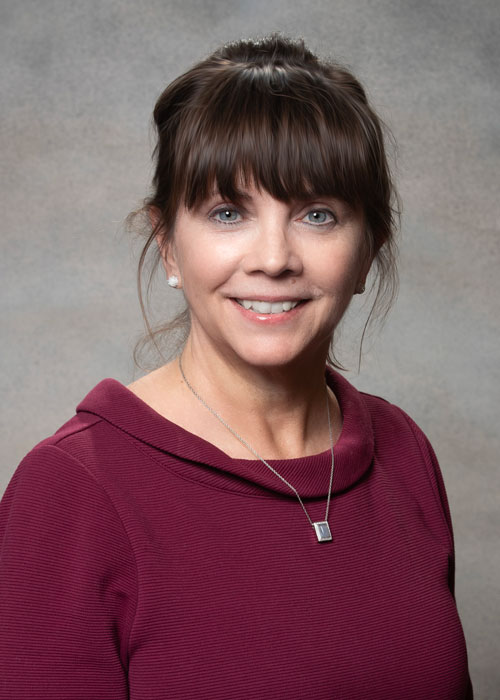
A new initiative led by Virginia Commonwealth University researchers aims to strengthen one of the most important — and often overlooked — support systems for older adults: a shared meal.
The VCU Department of Gerontology and affiliated Virginia Center on Aging (VCoA) recently secured a $666,667 award from the federal Administration for Community Living to launch the Virginia DINER (Delivering Integrated Nutrition, Engagement and Resilience) project. Their goal: strengthen senior nutrition programs while addressing behavioral health needs. The project focuses especially on elders in Virginia’s federally recognized Indian tribes and older adults experiencing homelessness.
VCU researchers have partnered with community organizations and Virginia’s Area Agencies on Aging (AAAs), part of a nationwide aging services network administered through the Administration for Community Living. Among the services AAAs provide are congregate meal programs designed to support nutrition, community living and social connection for older adults.
“Food and the sharing of food is a beautiful way to care for our physical, mental, social and spiritual health,” said Gigi Amateau, Ph.D., an assistant professor in VCU Gerontology and the project’s principal investigator. “That’s what this project is about: sharing nutritious, fresh, comforting meals in safe, supported spaces where being old is honored and respected.”
Connecting at congregate meal times
Nearly 2 million people ages 60 and older live in Virginia, a number expected to surpass 2.2 million by 2030. At the same time, many older adults face barriers to healthy food, social connection and behavioral health care. A statewide assessment from the Virginia Department for Aging and Rehabilitative Services found that nearly half of older Virginians report difficulty accessing quality food and maintaining a healthy diet. Many also report experiencing mental health challenges, including symptoms of depression.
“Senior nutrition programs are often the most consistent point of contact many older adults have with supportive services,” said Catherine MacDonald, director of community engagement at VCU Gerontology and VCoA. “This project will help senior nutrition programs become even stronger hubs of connection, emotional well-being and support.”
As part of the project, Amateau and her team will conduct a statewide needs assessment along with listening sessions and interviews with community members and service providers. Those conversations will help identify how trauma, loneliness and unmet behavioral health needs can be addressed in everyday settings such as congregate meal sites.
In some cases, that may mean adapting meals and programming to better reflect tribal culture. In others, it could mean bringing services directly to people experiencing homelessness.
Tapping community partners
One pilot program will establish a congregate meal site at emergency shelter and addiction recovery organization CARITAS in partnership with The Span Center, the Richmond region’s Area Agency on Aging. That “friendship café” will include nutrition education by a registered dietician, meals that support mental and physical well-being and wellness activities requested by elders at CARITAS including yoga, meditation and art.
“This is a new approach to one of the longest-standing programs in the country for older people,” Amateau said. “First and foremost, we are listening to and learning from the elders we are here to serve.”
The research team also includes current VCU Gerontology graduate student Morgan Carr as project manager and Lindsey Johnson, a citizen of the Chickahominy Indian Tribe who is serving as a community liaison on the project.
Johnson said the initiative is especially important for ensuring that tribal elders are included in conversations about services designed to support them.
“This collaboration allows the voices of our elders to be heard and their thoughts and opinions to be taken into consideration,” she said. “As Native people, we hold our elders in high regard, valuing and respecting their wisdom and their knowledge, and that’s critically important. Our elders have experienced significant challenges throughout their lives, and comprehensive support is essential to honoring them and ensuring their well-being.”
Data collection will drive project
Local homelessness advocacy and data group Homeward will provide data collection and facilitate focus groups with older adults in shelters to ensure the project meets their varied needs.
“Homelessness is a complex issue, especially for older adults. No single system or organization can tackle that crisis alone,” said Kelly King Horne, chief executive of Homeward. The organization has focused on older adults since 2017 and long partnered with VCU Gerontology and the Virginia Center on Aging. The need for assistance has skyrocketed in recent years, King Horne says.
“My hope is that every conversation, collaboration, and grant-funded project like this allows us to put older adults facing homelessness at the center of community-planning efforts to help mitigate this crisis,” she said. “The work with VCU Gerontology and the Virginia Center on Aging motivates me to stay focused, because after 23 years of this work, we have a deep understanding of the community needs. Now it’s time to act.”
MacDonald said the project also seeks to challenge assumptions about aging and where older adults belong.
“A fundamental tenet of aging services in the U.S. is that people have a right to the opportunity to live in community,” she said. “Part of how that can work is by supporting the resources that help support their well-being and their ability to thrive.”