Oct 12, 2026
Virginia Center on Aging focuses on collaborations with Native American tribes
Virginia Commonwealth University’s College of Health Professions has been expanding its educational and research activities across the state. One of the latest initiatives stems from the Virginia Center on Aging (VCoA), which is making connections with elders from local Native American tribes.
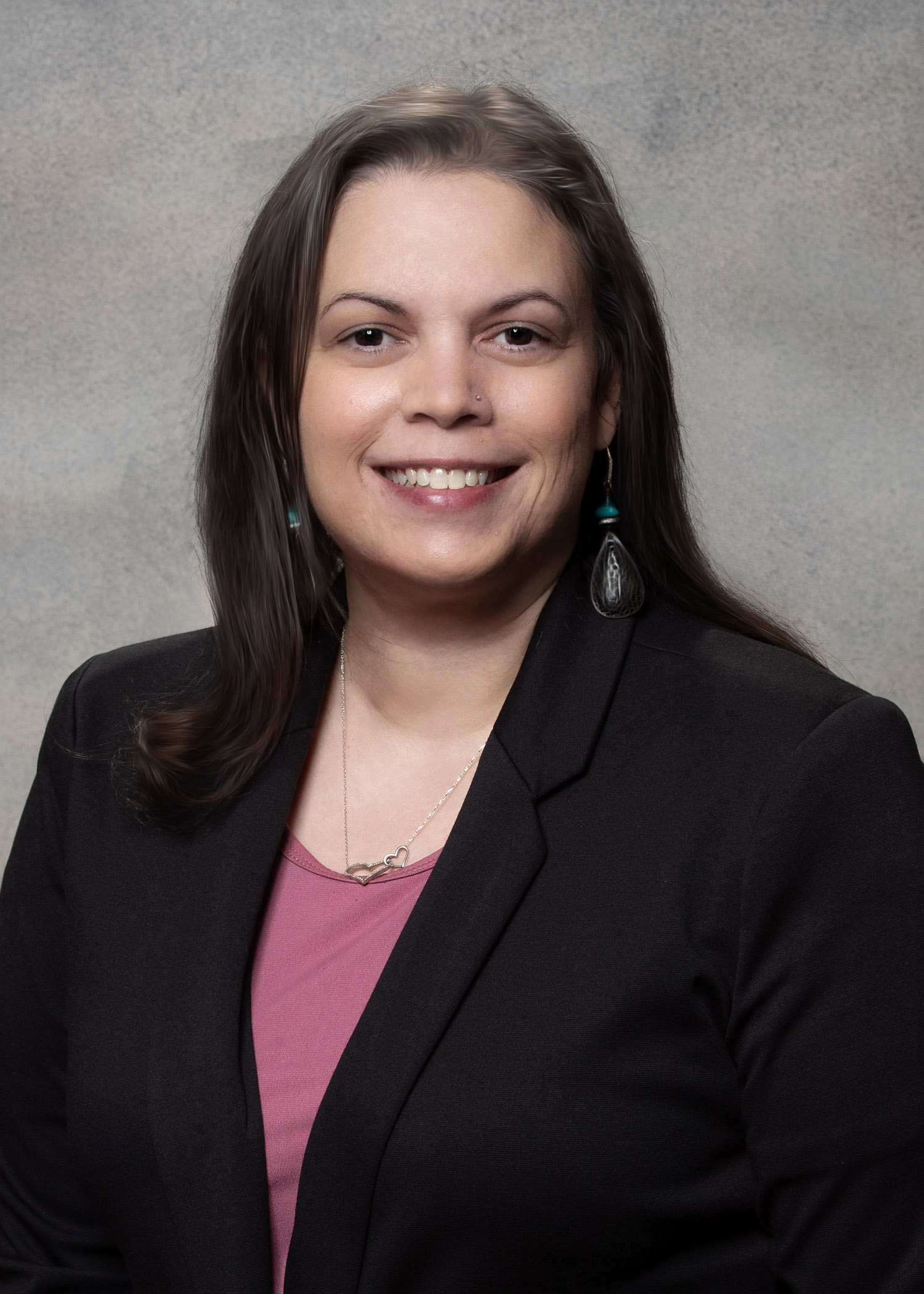
Lindsey Johnson, a community liaison specialist and a citizen of the Chickahominy Tribe, has been working at CHP since 2025. She previously served as a deputy tribal administrator for the Chichkahominy between 2019 and 2024. During this time, she assisted CHP in documenting stories from elders in her nation, and has since joined the VCoA as it expands its work with different tribes in the Commonwealth.
In addition to the VCoA collaborations, Johnson also works with the VCU Office of Health Initiatives to lead the VCU Health Partnership with Tribal Nations to Improve the Health of Populations and Communities Served. This partnership, launched in March 2026, aims to support existing and future health-related partnerships between VCU Health and Tribal Nations. Across all of these efforts, Johnson brings a shared focus on strengthening relationships, supporting culturally responsive health initiatives, and ensuring that education, research, and clinical programs align with community needs.
Origins and a video project
The origins of VCoA's work with local tribes, and what eventually brought Johnson to CHP, began with Patricia Slattum, PharmD, Ph.D, then co-director of The Virginia Geriatrics Workforce Enhancement Program at VCoA. She had contacted Johnson, with whom she had previously worked on the health coalition in Charles City County, to assist with a project led by then-student Morgan Carr. Carr used a video camera to interview tribal staff, caregivers, and elders, intending to use the videos as a training tool for aging services providers, healthcare workers, and students.
According to Johnson, the video format helped people learn more about the tribe when assisting elders and caregivers. In addition, the project highlighted the importance of elders in tribal societies and their role as sources of history and stories. Initiatives such as videos and storytelling are effective teaching tools, as they preserve the importance of elders while fostering cultural sensitivity and humility.
“It shines a light on a little piece of something so much bigger, especially when you're looking at some of the history that was talked about,” Johnson said. “People don't know a lot about tribal history in Virginia.”
Current collaborations
Since joining CHP, Johnson and the VCoA have been expanding their work with the Chickahominy Indian tribe and other nations in Virginia. These efforts include an educational health care series for tribal elders based on the four pillars of age-friendly health care: mind, movement, medication and what matters. Another initiative is supporting Elders’ Day for citizens of the Chickahominy Tribe by providing educational programming. According to Johnson, these events are held twice a month and usually feature a speaker, food, and games. The idea is to offer Elders a space for relaxation and general interactivity.
Johnson said the VCOA is expanding its educational series to other communities, including the Monacan Indian Nation in Amherst County, located in western Virginia, and the Pamunkey Indian Tribe in King William County. She also emphasizes the series' content has been adapted to the specific needs of elders in these nations. Johnson adds they are looking at offering sessions on advanced care planning with the tribes this fall. Their main focus has been on the age-friendly series and establishing good relationships and trust with the tribes, and hope as a next step to work with tribal elder-serving primary care practices to become recognized as age-friendly practices through the Institute for Healthcare Improvement. This is an important step to building an equitable age-friendly healthcare system in Virginia.
The efforts the VCoA is making to partner with Native American communities are not only critical to understanding every aspect of the Commonwealth’s aging population, but, Johnson feels, also necessary to help address the past harms committed against tribes by colleges and universities.
“I think this is what you have to do. You have a responsibility to the community and all the communities you serve,” Johnson said. “Let's acknowledge past harms, and let's put action behind correcting them, moving forward and being good community partners.”
Future work
For the future of the partnership between the VCoA and Native American communities, Johnson hopes it will endure, but more funding will be needed. She is currently working under a five-year grant for a geriatrics workforce enhancement program and is pushing for a renewal.
“I would just like to see us build on what we've already done, and I feel there are things we can do that we maybe haven't even thought about yet,” Johnson said.
She would also like more tailored programs and for gaps in care to be identified, which the VCoA can hopefully fill.
“Tribes are strong and resilient. They have their own health and wellness departments, housing and childcare, and many other aspects the general public may not know about,” Johnson said. We have to approach this work collaboratively, and it has to be reciprocal. It can't be one-sided, and we can't tell communities what they need.”
For more information on connecting to the VCoA’s services and information on all of the initiatives, visit the Virginia Center on Aging's website.